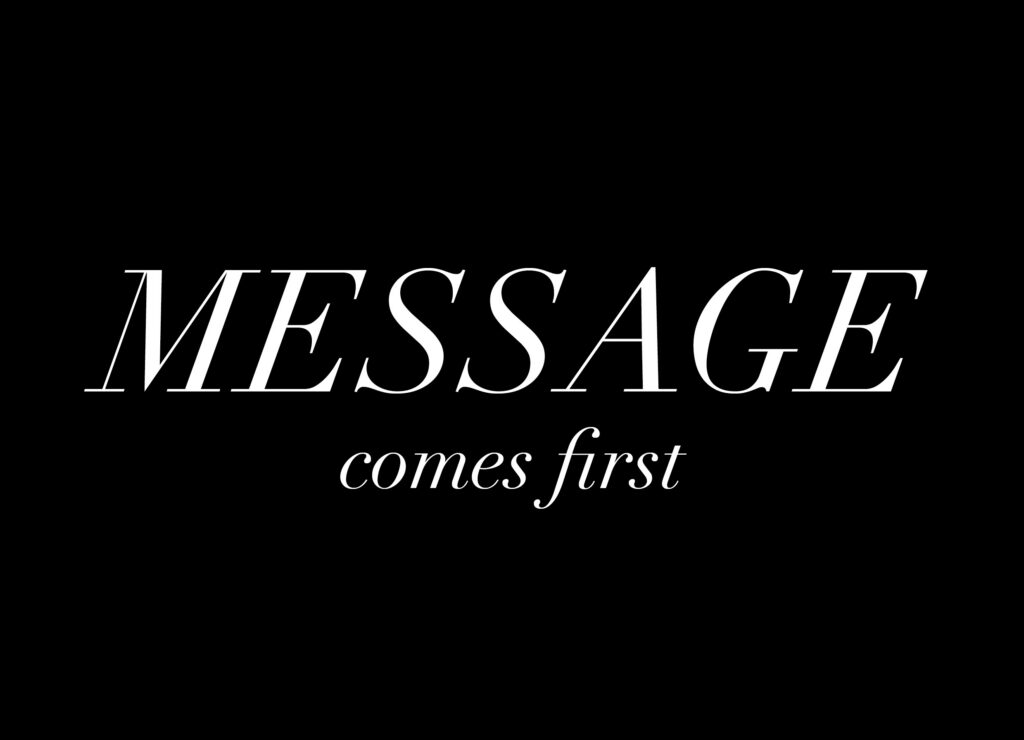
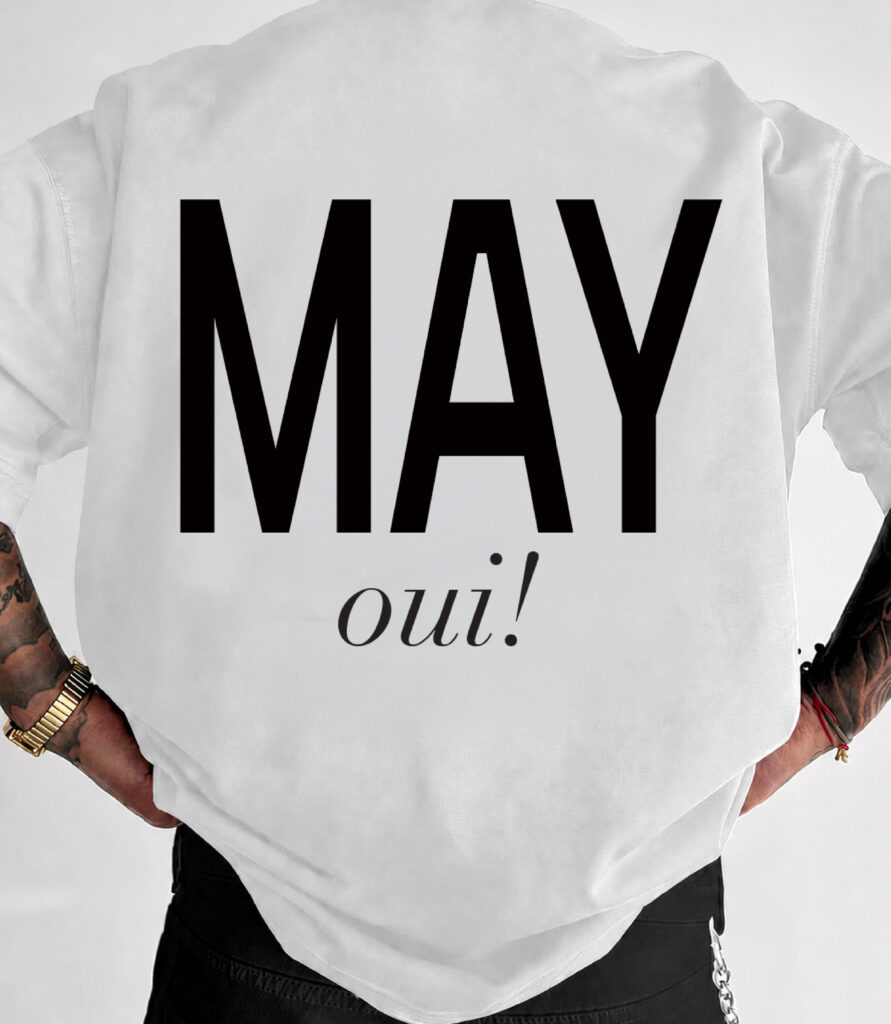
Permission to engage. The shift from logo-first to message first.
May we?
There’s a question the promotional industry rarely asks—because it’s uncomfortable, and it slows things down: Have we earned the right to give this at all? Just because you can put your brand on something, doesn’t mean you should. And just because you have an audience, doesn’t mean you have their buy-in.
The Assumption Problem
Most promotional programs are built on a quiet assumption: If we give it, they’ll want it. But today’s audience is more selective than that. More expressive. More aware of what they carry, wear, and share—and what it says about them. So when a product shows up without relevance, without meaning, without a reason…It doesn’t offend. It just disappears. And that’s the real cost. Not waste. Irrelevance.
The Real Risk: Getting It Wrong
For every team involved, the stakes are different—but real:
Marketing: You invested budget… and got no amplification.
Procurement: You approved spend… that no one can defend.
HR: You tried to create connection… and landed flat.
Creative: You made something… that could’ve been anyone’s.
This is what happens when we skip the question: “May we?”
Permission-Based Promo
Before the item. Before the logo. Before the rollout.
There’s a smarter set of filters:
May we be part of their world—or are we interrupting it?
May we say something worth carrying—or are we just filling space?
May we create something they’d choose—or only accept?
May we add value—or just add visibility?
Because if you can’t confidently answer these…
You’re not designing a moment. You’re producing inventory.
When the Logo Leads… and Loses
Here’s where many brands misstep.
They treat the logo as identity—instead of what it actually is:
A signature. Not the story.
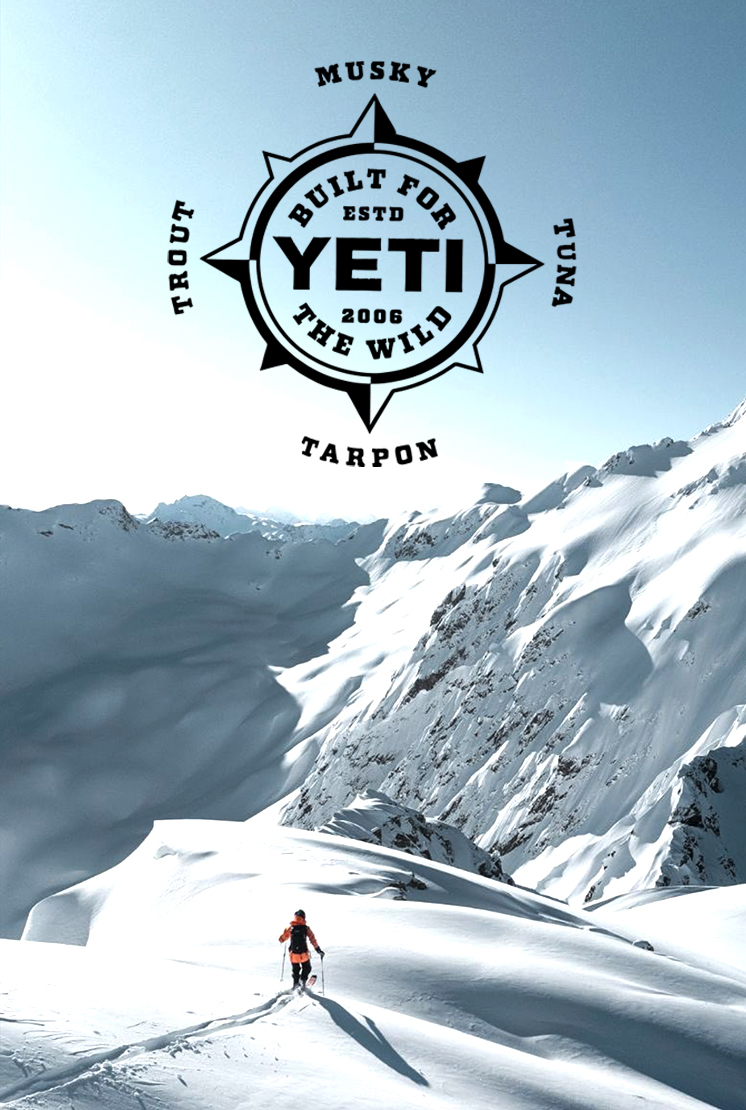
Unless your brand is already a cultural badge—something people are proud to wear on its own—leading with it can feel less like relevance… and more like self-interest.
And audiences feel that.
What they’re really asking is:
“Why would I want to be associated with this?”
Not internally. Personally.
What to Ask Instead
If “May I?” is the mindset, these are the questions that make it actionable:
Would someone choose this if it wasn’t branded?
What behavior are we trying to spark—use, share, talk, keep?
What does this say about the person holding it?
Is this a message—or just an object?
Would anyone notice if we didn’t do this?
These aren’t creative questions. They’re decision filters.
And they protect you from spending money on things that feel like activity—but deliver nothing.
What Great Actually Looks Like
The best promotional ideas don’t feel like promotion.
They feel like:
A statement someone agrees with
A product they’d buy anyway
A message they’re proud to carry
A moment worth sharing
Where the brand shows up— but doesn’t take over.
Where the logo is present—but not the point.
Where the audience doesn’t feel marketed to—they feel understood.
The Shift
This isn’t about doing less.
It’s about doing fewer, better things—with intention.
From:
Logo-first → Meaning-first
Distribution → Desirability
Brand identity → Audience identification
Because when you design for how people see themselves…
They’ll choose to carry you with them.
The Fabulist Take
In a world where attention is earned, not given—permission is everything.
So before you brand it. Before you ship it. Before you assume it belongs—
Ask the question most don’t: May we?
Because if the answer isn’t clear… You may not.
The Fabulist Worth It Check™
Looking at your current or next promo initiative:
☐ Worth keeping (clear idea, real relevance) ☐ Promising, but needs sharpening ☐ Functional, but forgettable ☐ Not worth making
One Question Back
Where do you struggle most when trying to create something truly relevant?
☐ Knowing what the audience actually values ☐ Aligning internal stakeholders ☐ Budget constraints ☐ Speed / last-minute timelines ☐ Translating brand into something people want
Because in the end…
It’s not about what you’re allowed to make. It’s about what they’ll allow into their world.