The Last Great Analog Business Tool: What golf teaches us about relationships, attention, and promotional marketing.
Before networking events had name tags and LinkedIn had connection requests, there was a tee time.
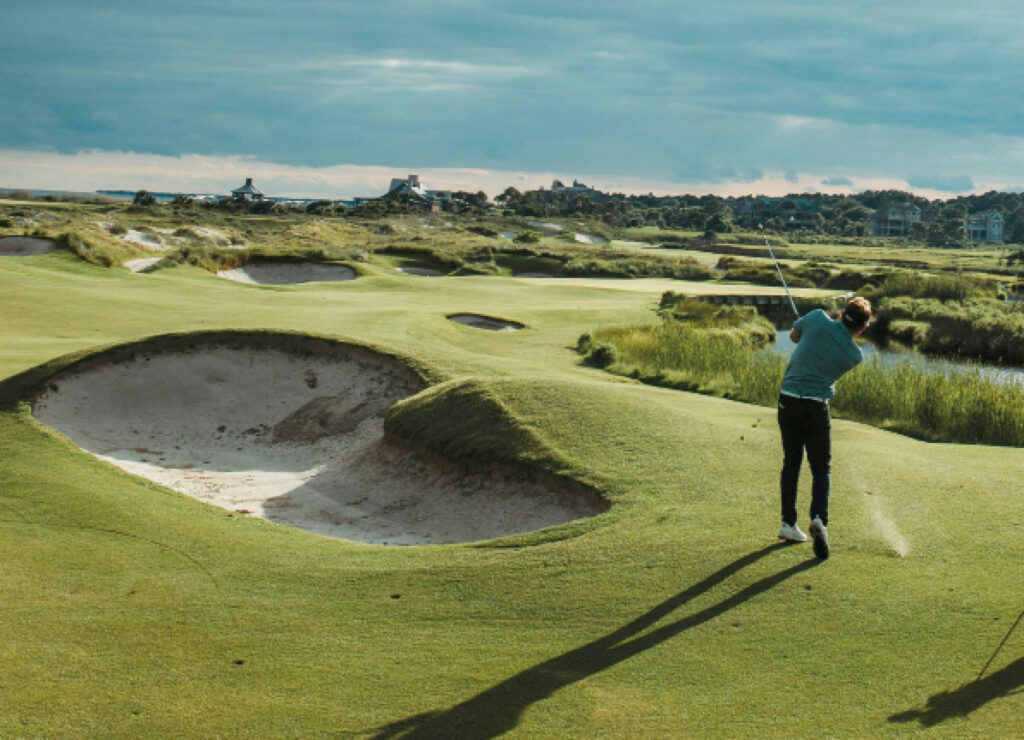
In a world obsessed with automation, optimization, and digital connection, the game offers something increasingly rare: uninterrupted attention. For more than a century, golf has quietly served as one of business’s most effective relationship-building tools. Part sport, part social ritual, part moving boardroom, it has long provided a setting where conversations unfold naturally and trust develops organically.
At Fabulist, we’re fascinated by the spaces where culture and commerce intersect. And while golf has evolved dramatically over the years—becoming more accessible, more diverse, and more lifestyle-oriented—its role as a business catalyst remains remarkably intact.
Because golf was never really about golf.
It was about access.
It was about connection.
And most importantly, it was about time.
A round reveals more than a meeting ever could. How people handle pressure, setbacks, patience, and success often becomes clear somewhere between the first tee and the eighteenth green. The fairway doesn’t replace the boardroom—it prepares people for it.
That’s why golf has remained a fixture in business culture for decades. Not because deals happen on the course, but because relationships do.
And relationships are what make business possible.
Today, corporate golf tournaments, client outings, and charity events remain some of the most effective forms of business engagement. Not because everyone is chasing a lower handicap, but because golf creates something brands spend millions trying to capture elsewhere: attention.
Four hours. No inboxes. No notifications. No presentation decks.
Just conversation.
What’s interesting is how golf itself is evolving. The culture is becoming less about exclusivity and more about community, experience, and enjoyment.
Brands like Sunday Golf and a new generation of lifestyle-driven companies are helping shift the focus from status to participation.
That philosophy has an important lesson for promotional marketing.
The best promotional products work much like golf. They’re not the transaction. They’re the setup.
A thoughtfully chosen gift, branded item, or event experience creates the conditions for a relationship to develop. The product itself isn’t the goal—it’s the conversation starter, the shared experience, the reminder that keeps a brand present long after the interaction ends.
In many ways, great promotional marketing is its own version of the fairway.
Not the sale. The setup.
Not the outcome. The opportunity.
Not the product. The relationship it helps create.
Because whether you’re standing on a tee box or building a brand, the strongest results rarely come from a single moment. They come from the preparation, positioning, and connections made long before the opportunity arrives.